

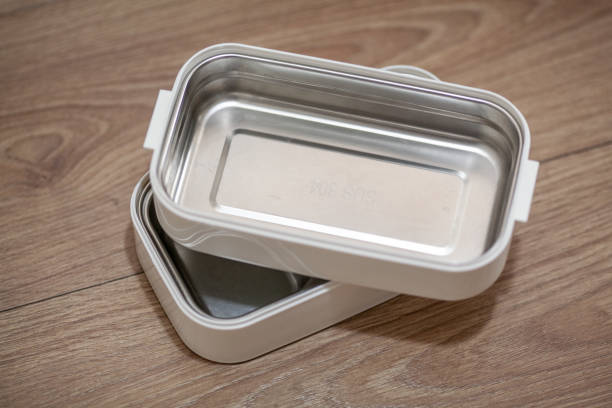
Classic Metal Armor Excels at Crush Protection But Demands Retrofit Seals
To speak quite frankly, retro metal gear offers a surprisingly tough shield for packing meals on rugged outdoor trails. Modern outdoor enthusiasts frequently grow tired of soft plastic containers that easily crack under pressure inside heavy backpacks.
Recent physical health research from the University of Nebraska reveals a highly concerning trend regarding consumer plastic safety. Microwaving or heating standard plastic food containers releases billions of microscopic nanoplastic particles directly into your daily meals.
For this reason, utilizing a premium tin lunch boxes vintage model provides an excellent, crushproof defense for your sandwiches. Carrying a specialized metal lunchbox outdoor storage unit keeps delicate food items completely safe from accidental impact.
Cependant, ancient tins lack airtight rubber gaskets, which means you must insert modern silicone liners to prevent leaks. Let us explore the mechanical benefits and practical retrofitting tips to make these retro tins work perfectly outdoors.
The Resilient Shielding Benefits of Retro Metal Shells on Tough Trails
Eliminating the Fragility of Modern Plastic Storage Gear
Piling heavy camping gear, water bottles, and flashlights into one backpack puts massive physical pressure on your food. Cheap plastic meal prep boxes easily warp, split, or burst open at the seams during rough hikes.
Switching your primary setup to a rugged retro trail lunchbox provides a highly protective, rigid metal protective barrier. These vintage sheet-metal structures handle heavy drops onto hard granite rocks without suffering structural failures or spilling your food.
This structural durability keeps your delicate pastries, soft fruits, and sandwiches fully intact until you decide to camp. You no longer have to worry about digging flat, squished food out of your clean travel gear.
Protecting Your Wilderness Rations from Curious Forest Wildlife
Forest critters, mice, and squirrels possess incredibly sharp teeth that easily chew through standard plastic and silicone bags. Leaving soft food packaging exposed on a wooden campsite table invites small pests to ruin your expensive rations.
Heureusement, dense steel sheet plating stands up incredibly well to the persistent chewing of camp pests and mice. Storing your trail rations inside a secure tin container stops small animals from stealing your precious hiking meals.

Overcoming the Natural Design Limitations of Antique Metal Hardware
Retrofitting Classic Latch Systems with Modern Leakproof Solutions
Classic mid-century metal lunchboxes rely purely on simple tension latches to hold their hinged lids securely in place. While this mechanical latch is highly satisfying to snap shut, it does not create a completely airtight seal.
To transport liquid-heavy meals safely, you should pair your retro tin with a sustainable plastic free food container liner. Inserting a flexible, leakproof silicone pouch inside the metal shell gives you the ultimate spillproof trail combo.
-
Apply Removable Seals: Push a thin, food-grade silicone strip along the inner rim of the metal lid.
-
Employ Nesting Tins: Place small, sealed stainless steel snack cups inside the larger vintage box.
-
Wrap Dry Sandwiches: Use natural beeswax food wraps to keep dry food items snug and fresh.
-
Wipe Down Promptly: Always dry the inner metal surfaces immediately after cleaning to prevent rust spots.
This easy hardware upgrade keeps your raw ingredients organized and prevents messy oil leaks from staining your backpack.
Managing Rapid Heat Transfer in Changing Outdoor Environments
Unlike vacuum-sealed modern travel mugs, thin sheet-metal lunchboxes conduct heat and cold from the surrounding air very rapidly. Leaving your metal lunch container sitting under direct summer sunlight will quickly spoil your fresh meats and cheeses.
To keep your meals cold, slide your vintage tin inside an insulated, soft-sided lunch bag with ice packs. This smart step creates a reliable thermal barrier, keeping your trail food fresh for up to eight hours.
The Environmental and Nostalgic Appeal of Heritage Camping Gear
Embracing a Zero-Waste Lifestyle with Durable Steel Containers
Discarded single-use plastic wrap and cheap storage boxes contribute heavily to the pollution of pristine national parks. Responsible modern hikers actively look for long-lasting, recyclable alternatives to reduce their daily waste footprint on the planet.
Using an eco-friendly metal food box entirely eliminates your daily reliance on disposable plastic sandwich bags. High-quality steel construction lasts for decades, keeping countless non-recyclable plastic containers out of local municipal landfills.
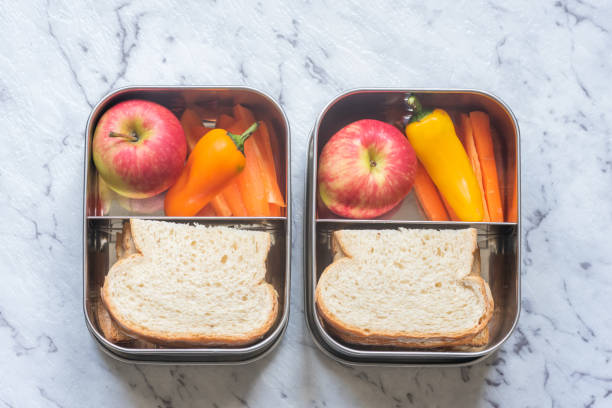
Comparing Outdoor Food Storage Container Materials
Selecting the ideal container material depends heavily on your specific trail conditions and your weight preferences. Review this quick material comparison to find the best gear option for your next mountain adventure.
| Container Material Class | Physical Crush Resistance | Leakproof Ability | Average Lifespan | Recyclability |
| Standard Thin Plastic | Extremely Poor | Bien (With Gaskets) | Short (1-2 Years) | Very Low (Degrades) |
| Flexible Silicone Pouch | Poor (Squeezes Food) | Excellent (Slide Seal) | Medium (3-5 Years) | Special Facilities |
| Vintage Steel Tin | Excellent (Rigid) | Poor (Needs Liners) | Decades (Collectible) | High (Infinitely Recyclable) |
Securing Safe Metal Surfaces for Healthy Daily Dining
Verifying Food Safety and Restoring Vintage Metal Surfaces
Before packing fresh, unwrapped food inside a genuine mid-century lunchbox, you must check the chemical safety of the interior. Many retro tins manufactured before 1970 utilized lead-based paints or toxic chemical coatings on their decorative exterior panels.
To protect your family, always test old surfaces using a simple, cheap chemical lead testing kit first. If the test reveals lead, simply line the interior with a clean, food-safe physical fabric barrier.
This quick check ensures your nostalgic gear remains completely safe for kids and family camping trips.
The Commercial and Aesthetic Value of Retro Camping Collectibles
Standing Out with Unique Personal Style on the Trail
Modern plastic camping gear often looks incredibly boring, featuring identical, mass-produced neon color palettes. Carrying a beautifully decorated vintage tin adds a wonderful touch of personal style and fun nostalgia to your gear.
Classic lunchboxes featuring retro artwork also spark great conversations with fellow hikers around the campfire. These durable pieces function as beautiful home decor when you are not actively exploring the great outdoors.
Investing in Gear That Appreciates in Value Over Time
While cheap plastic containers lose all their value instantly upon purchase, vintage metal lunchboxes often become highly sought-after collectibles. Pristine tins featuring popular pop-culture characters from the 1960s and 1970s regularly appreciate in value over time.
Caring for your gear properly ensures it serves as a reliable trail companion while retaining its financial value. This makes high-quality retro metal gear both a practical camping tool and a smart long-term collector’s investment.
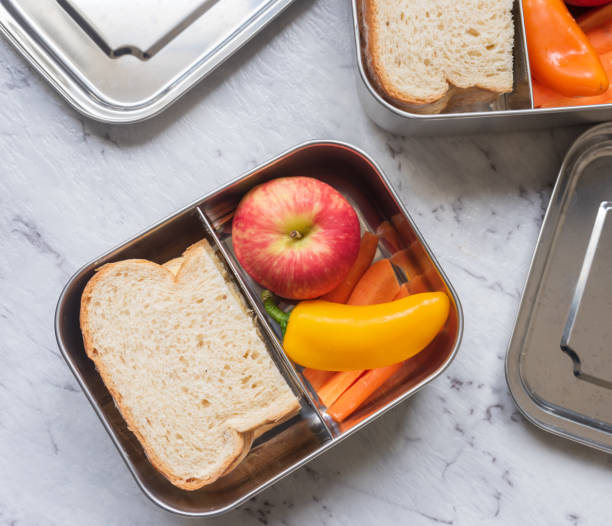
Elevate Your Outdoor Dining Style with Tough Metal Tins
To sum up, a tin lunch boxes vintage container is a fantastic, highly durable option for modern outdoor dining. This rigid steel gear easily beats fragile plastic boxes when it comes to keeping your trail food safe from crushing.
By pairing your classic metal lunchbox outdoor storage system with a leakproof silicone liner, you enjoy the best of both worlds. Ditch flimsy plastic gear today. Invest in classic, rugged retro metal tins to bring reliable protection and timeless style to your wilderness excursions.
