

Partnering with a certified food tin box supplier completely resolves product shelf-life and sustainability challenges for modern food brands. This strategic supply chain choice guarantees food-safe barrier protection while expanding baseline brand authority in highly competitive grocery markets.
Traditional single-use plastic pouches or flimsy paper boxes frequently tear during transit, exposing delicate ingredients to air moisture. Conversely, robust tinplate steel containers protect sensitive confections, teas, and biscuits from external crushing and light degradation flawlessly.
Furthermore, this endlessly recyclable material aligns perfectly with modern global eco-conscious consumer purchasing habits. Ultimately, investing in custom premium tin packaging minimizes product spoilage while commanding premium retail pricing across international storefronts. Now, let us analyze the storage bottlenecks that make standard commercial plastic packaging highly impractical for long-term food preservation.
The Preservation Bottleneck: Why Plastic Wraps Fail High-End Confectionery Brands
Every experienced food production director understands the deep frustration of seeing premium products lose flavor on grocery shelves. This costly quality degradation usually happens because standard flexible plastic packaging allows oxygen molecules to seep in over time.
How Microscopic Oxygen Ingress Accelerates Lipid Oxidation and Stale Flavor Profiles
When ambient air penetrates thin plastic wrap barriers, it reacts rapidly with the natural oils inside food products. This chemical reaction triggers rapid lipid oxidation, turning crispy biscuits soggy and rich chocolates unpleasantly stale within weeks.
Consequently, your brand suffers from premature product expiration dates, driving up product return rates and destroying consumer trust. Therefore, maintaining pristine product flavor profiles requires upgrading to a specialized sustainable tin plate packaging infrastructure immediately.
Why Flimsy External Pouches Struggle to Survive Rough International Distribution Logistics
Cheap plastic pouches crumple easily when warehouse crews stack shipping pallets multi-layers high inside hot freight containers. This structural crushing compresses the delicate food items inside, turning pristine artisan cookies into unusable, unmarketable crumbs.
As a result, retail store managers reject your inventory shipments, forcing your business to issue expensive account credits. Therefore, integrating a heavy-duty custom metal food canisters system becomes vital to insulate your products from physical distribution stresses.
Technical Core: Inside the Material Science of Food-Grade Metal Manufacturing
To satisfy strict global food safety laws, specialized packaging metallurgists completely re-engineered traditional steel sheets. Modern food tins combine electrolytic tinplate substrates with advanced organic barrier coatings to prevent chemical interactions completely.
Harnessing Food-Safe Internal Lacquers for Absolute Corrosion Resistance
Elite metal packaging avoids raw steel exposure by applying specialized food-grade gold or clear organosol lacquers internally. Industrial baking ovens cure these protective coatings at high temperatures, bonding the liner to the metal surface perfectly.
Consequently, the barrier prevents acidic food ingredients from reacting with the underlying iron molecules over long storage cycles. Your snacks maintain their exact original chemical profiles, remaining completely safe, healthy, and delicious for consumers to enjoy.
The Clear Engineering Virtues of Precision Seamless Metal Canister Production
Global food distribution requires rugged hardware designs that perform consistently across shifting international climate zones:
-
Airtight Lid Seals: Utilize food-grade silicone or rolled edges to create tight food grade airtight tin boxes.
-
Tamper Evident Bands: Provide visible proof of product freshness to reassure safety-conscious grocery consumers.
-
Impact Resistant Joints: Feature double-seamed bottom panels that survive accidental drops onto hard retail floors.
-
Precision Embossing Tracks: Allow brand logos to stand out physically across flat metal sheet surfaces.
Performance Matrix: Flexible Plastic Pouches vs. Food-Grade Tin Boxes
| Food Packaging Metric | Flexible Plastic Stand-Up Pouches | Premium Food-Grade Tin Boxes |
| Oxygen Barrier Protection | Poor (Allows slow molecular gas ingress) | Perfect Absolute (Blocks air transmission 100%) |
| Physical Crush Resistance | Low (Compresses under light warehouse weights) | Exceptional (Rigid steel shell stops crushing) |
| Endless Recyclability | Complex (Multi-layer films jam recycling lines) | Complete Eco-Loop (Melts down endlessly safely) |
| Perceived Consumer Luxury | Baseline Economical (Looks like budget goods) | Premium Executive (Commands higher retail prices) |
| UV Light Degradation Shield | Variable (Transparent sections fade food colors) | Total Shielding (Defends nutrients from rays) |
Strategic Brand Benefits: Maximizing Retail Visibility and Eco-Compliance
Partnering with a reliable food tin box supplier delivers immediate, compounding financial returns across your retail channels. This packaging upgrade converts simple structural food protection into a highly effective, silent sensory brand ambassador on grocery shelves.
Securing Dominant Shelf Presence via High Definition CMYK Lithographic Printing
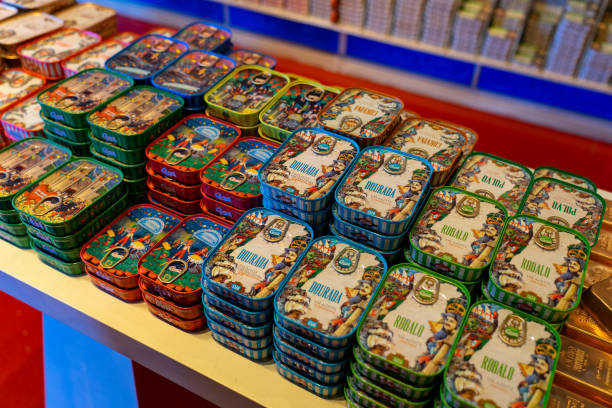
Unlike grainy plastic film labels, flat metal sheets accept incredibly sharp, vibrant offset lithographic ink applications beautifully. Brand designers can apply intricate metallic textures and deep jewel tones that capture bright supermarket lighting arrays instantly.
Consequently, your custom tins pull customer eyes away from boring cardboard boxes sitting nearby on the same aisle. This visual dominance accelerates your initial trial purchase rates, driving rapid volume growth across your target retail accounts.
Achieving Strict Corporate Sustainability Milestones via Circular Metallurgy Solutions
Modern international regulatory bodies penalize brands that flood consumer markets with non-recyclable multi-layer laminate plastics. Steel stands as the most recycled industrial material on Earth, feeding directly into existing scrap processing streams cleanly.
Your corporate sustainability directors can proudly showcase zero-waste packaging compliance on your corporate marketing brochures. This authentic green profile attracts premium eco-conscious distributors, expanding your wholesale distribution footprint into high-value organic grocery chains.
Operations Protocol: Specifying Custom Metal Packaging Details for Mass Production
Securing perfect manufacturing quality requires defining your metal specifications according to strict international tinplate printing rules. Ensure your procurement departments execute these mandatory technical steps before finalizing agreements with your factory production managers.
-
Specify Tinplate Hardness Grades: Select the correct temper rating to balance structural rigidity with smooth stamping flexibility.
-
Verify FDA Coating Certifications: Ensure internal lacquers carry full food-contact safety approvals from global inspection bodies.
-
Confirm Airtight Closure Tolerances: Test lid fit dimensions carefully to guarantee consistent moisture barrier performance.
-
Audit Factory Cleanroom Standards: Produce food tins inside certified dust-free environments to prevent internal biological contamination.
Following this straightforward technical sequence prevents expensive formatting mistakes during high-speed automated stamping runs. It establishes an unshakeable packaging procurement pipeline that allows your holiday product launches to hit retail shelves without delays.
FAQ:
What specific internal coatings prevent salty or acidic foods from corroding the tin box?
Advanced metal factories apply specialized epoxy-phenolic or organosol internal lacquers to shield raw tinplate sheets from corrosive elements. These food-safe coatings create an impenetrable chemical barrier that resists acidic tomato pastes, salty nuts, and moisture-rich confections easily. This advanced insulation prevents rust formation completely, keeping your food pure and extending shelf stability for years.
Can custom decorative wholesale biscuit tins be safely reused by consumers at home?
Yes, consumers frequently save beautiful decorative wholesale biscuit tins to store sewing needles, loose tea leaves, or family photos. This high package retention turns your structural food box into a permanent, multi-year billboard inside consumer households. Your printed brand logo remains highly visible to families daily, driving effortless organic brand recall without extra ad spend.
How does a food tin box supplier guarantee that metal edges will not cut consumers?
Professional metal packaging manufacturers utilize automated curling machinery to roll sharp sheet edges inward tightly along container rims. This precision engineering step conceals raw metal borders completely, creating smooth, rounded lips that are totally safe to handle. Consumers can open and close the lids repeatedly without any risk of scratching their fingers.
What is the typical minimum order quantity for custom printed food tins?
Because industrial offset lithography presses require extensive color calibration setup time, factory minimum order quantities usually start around five thousand units. Smaller production volumes generate incredibly high unit costs due to raw sheet metal cutting waste during startup configurations. Ordering in bulk optimizes machine efficiency, driving down your net packaging procurement expenses significantly over your fiscal year.

Future-Proof Your Food Brand with Premium Metal Packaging
Relying on cheap plastic wraps leaves your high-end food products vulnerable to flavor loss, shipping damage, and consumer neglect. You cannot build an elite gourmet legacy if your packaging looks wrinkled, crumpled, and uninspiring on retail shelves. Upgrading your corporate packaging assets to feature custom metal canisters from a verified food tin box supplier updates your presentation completely. This strategic investment combines robust steel metallurgy with beautiful custom printing to defend your food quality from environmental hazards.
Stop letting stale ingredients and damaged retail shipments limit your corporate revenue targets this selling season. Invest in field-proven, fully certified metal packaging solutions that maximize your shelf presence and deliver pristine flavor experiences. Your shipping logistics crews will love the stackable durability, and your customers will love the premium keepsake quality. Modernize your product packaging framework today to take complete visual control over your brand’s international grocery footprint.

