

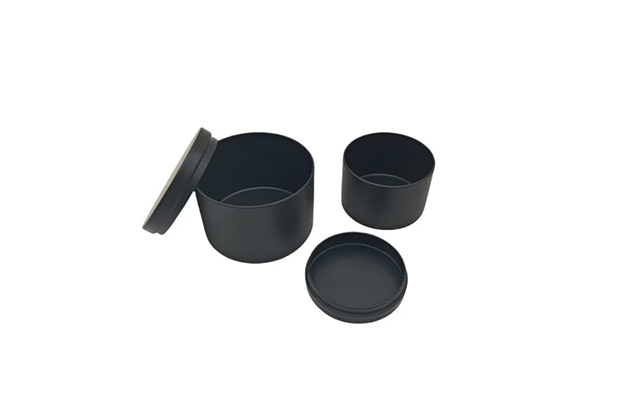
The Core Solution: Total Barrier Protection and Circular Economy Compliance Drive Factory Scaling
To put it plainly, modern food processors face intense commercial pressure from shifting global regulations and volatile material costs. Traditional multi-layer plastic tubs and paper cartons frequently fail during long transport journeys, risking contamination or spoilage.
The European Union recently implemented its landmark Packaging and Packaging Waste Regulation (PPWR). This strict policy enforces mandatory recyclability targets while severely restricting single-use plastics and harmful chemical additives.
Como consecuencia, leading food brands are switching back to high-grade steel and tinplate. Sourcing bulk tin food containers gives manufacturers a rugged, infinitely recyclable packaging medium that meets strict global compliance rules.
Selecting commercial food tinplate packaging guarantees long shelf-life metrics and superior physical protection on automated filling lines. Now, let us examine the mechanical and economic advantages driving this packaging transition.
Eliminating Food Spoilage with Impenetrable Physical Barriers
Shielding Ingredients Against Light, Oxygen, and Moisture Ingress
Delicate food products like roasted coffee beans, edible oils, infant formula, and dried milk powders degrade rapidly when exposed to air. Oxygen and ultraviolet light oxidize sensitive natural fats, turning premium food ingredients rancid within weeks.
Deploying airtight tinplate food containers creates a total physical barrier against environmental exposure. Tin-coated steel blocks 100% of incoming light rays and prevents oxygen molecules from entering the container.
This airtight mechanical seal preserves delicate flavor profiles, aromas, and nutritional values without requiring artificial chemical preservatives. Your products maintain factory-fresh quality during multi-month ocean freight routes, safeguarding your brand’s reputation.
Withstanding High-Stack Pressure During Automated Pallet Shipping
Cardboard boxes and soft plastic pouches easily collapse when stacked six pallets high inside hot ocean shipping containers. A single crushed box at the bottom of a pallet can ruin an entire shipment of food inventory.
In contrast, rigid steel tins offer incredible vertical stack strength that easily resists heavy compression loads. Your warehouse team stacks pallets efficiently, maximizing floor space without fearing product collapse or costly transit claims.
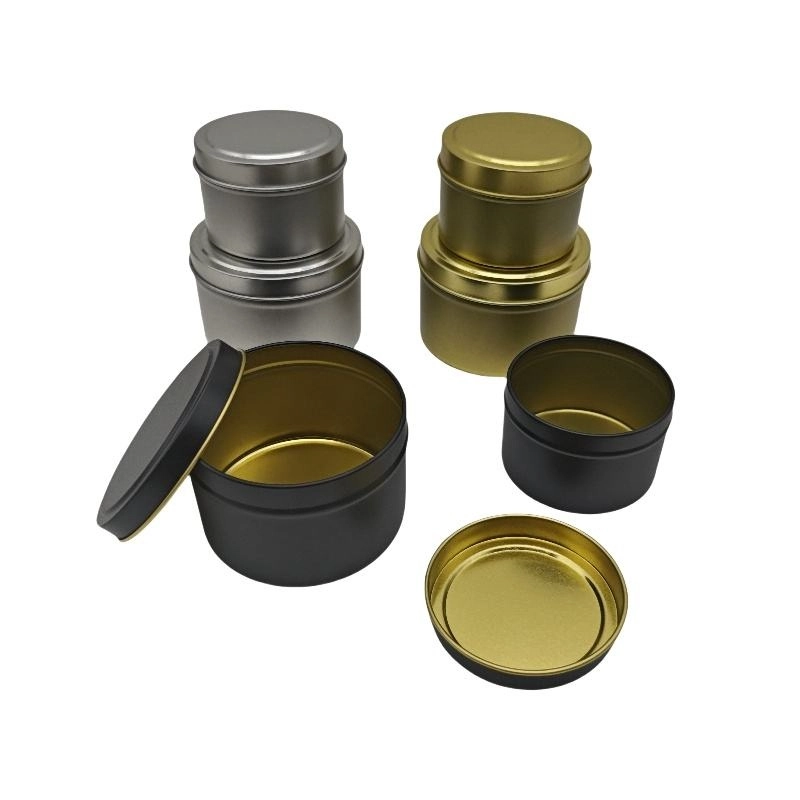
Technical Comparison of Commercial Food Packaging Materials
Selecting the ideal container material directly impacts your product shelf-life, shipping safety, and environmental compliance scores. Review this practical comparison matrix to guide your factory procurement decisions.
| Packaging Material Class | Oxygen & Light Barrier | Vertical Stack Strength | Recyclability Rate | High-Speed Filling Performance |
| Single-Use HDPE Plastic | Poor (Permeable to Gases) | Moderate (Warps under Heat) | Low (Degrades in Quality) | Moderate (Needs Careful Handling) |
| Multi-Layer Laminated Paper | Moderate (Fails if Punctured) | Poor (Fails under Humidity) | Very Low (Hard to Separate) | Moderate (Slow Sealing Cycles) |
| Bulk Food Tinplate Steel | Superior (100% Impermeable) | Maximum (Rigid Shell) | Highest (Infinitely Recyclable) | Fastest (High-Speed Automated) |
Aligning Factory Operations with Modern Circular Economy Mandates
Benefiting from Infinite Recycling Without Material Degradation
Unlike plastic polymers that degrade in quality during every recycling cycle, metal retains its core structural properties forever. Steel packaging enjoys established recycling infrastructures worldwide, achieving high recovery rates across industrial markets.
Ordering wholesale metal food storage tins aligns your brand’s supply chain directly with circular economy principles. Recycling steel uses up to 75% less energy than producing raw virgin steel, helping your facility lower its scope 3 carbon emissions.
This environmental performance protects your business against rising plastic tax penalties and carbon tariffs across international markets.
Ensuring Total Compliance with Strict Chemical Migration Rules
Recent food safety updates strictly regulate bisphenols, phthalates, and PFAS chemicals in food-contact packaging. Flimsy plastic containers risk leaching harmful microplastics or chemical plasticizers into hot-filled liquid products.
Modern food tins feature food-grade, BPA-non-intent inner lacquers certified under European Union and FDA food contact regulations. These protective coatings form a neutral barrier, preventing direct metal contact while stopping chemical migration completely.
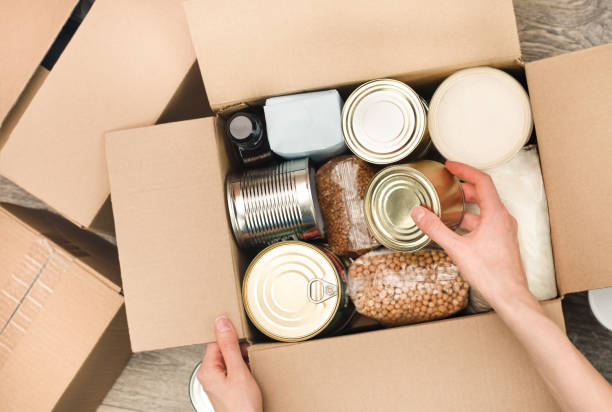
Optimizing Factory Output and Scaling Bulk Production Lines
Boosting Automated Line Speeds via Magnetic Handling Systems
High-speed automated packaging lines require rigid, predictable containers that slide smoothly through filling, seaming, and labeling stations. Flexible pouches frequently jam automated conveyors, causing expensive factory downtime and manual intervention.
Steel tins interact perfectly with magnetic conveyor systems and high-speed robotic picking arms. Your factory team runs filling lines at peak speeds without experiencing container jams or tipped-over products.
This physical stability reduces downtime, helping your facility maximize overall equipment effectiveness (OEE) and lower labor overhead per unit.
Maximizing Margin Growth via Bulk Container Procurement
Purchasing sustainable bulk food packaging delivers significant economies of scale for large-scale food processors. Ordering nested or stackable bulk tins reduces empty container transport volume, lowering inbound freight costs.
Además, uniform metal tins optimize warehouse shelf space, allowing your logistics managers to store more inventory per square meter.

Future-Proof Your Food Brand with Bulk Tinplate Tins
Reviewing our complete mechanical and operational analysis reveals that metal tinplate remains the superior choice for food manufacturing. Moving away from fragile, permeable plastic containers removes the spoilage risks and regulatory fines that threaten company profits.
By integrating bulk tin food containers into your production lines, you gain complete control over product safety and shelf-life. Securing high-quality commercial food tinplate packaging shields your supply chain from transit damage and environmental penalties. Invest in bulk metal tin containers today to streamline your factory operations and lead the sustainable food movement.
