

Gehen Sie noch heute durch einen modernen Einzelhandelsgang. Sie werden sofort eine massive Veränderung in der Präsentation von Verbraucherprodukten bemerken. For decades, cheap single-use plastics dominated store shelves worldwide.However, modern shoppers now actively reject wasteful plastic wrappers. Stattdessen, they demand environmentally responsible alternatives from their favorite brands.
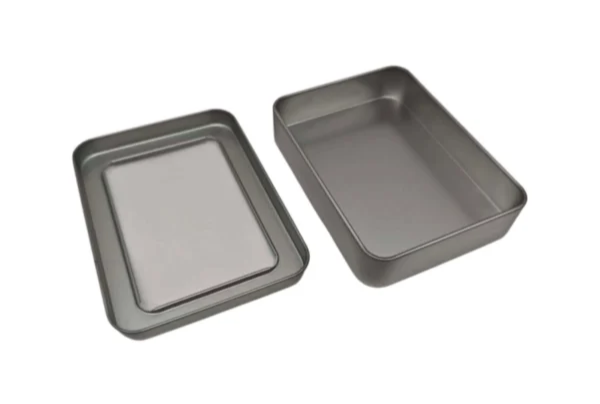
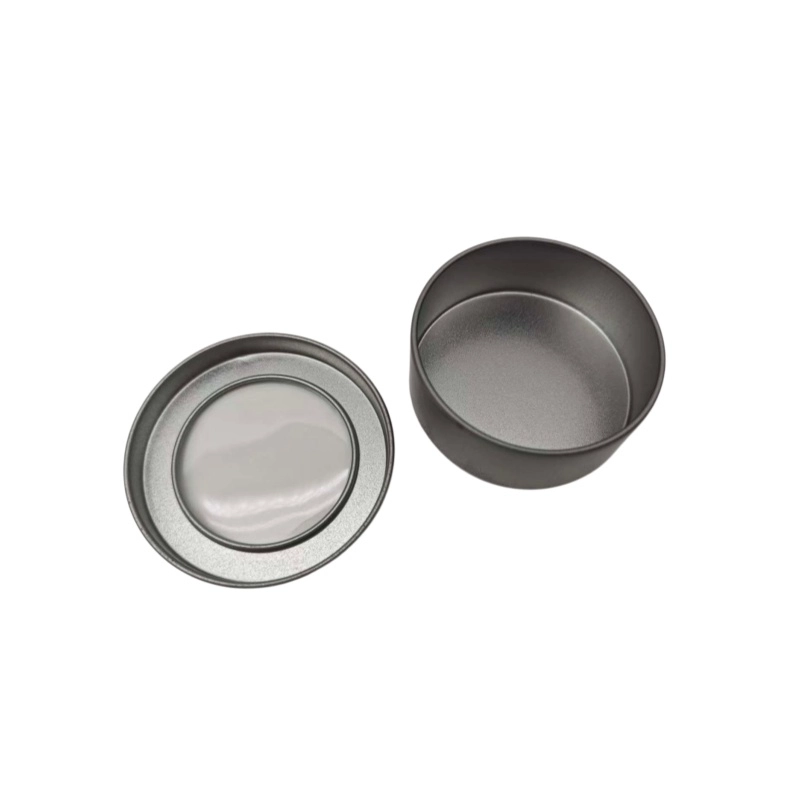
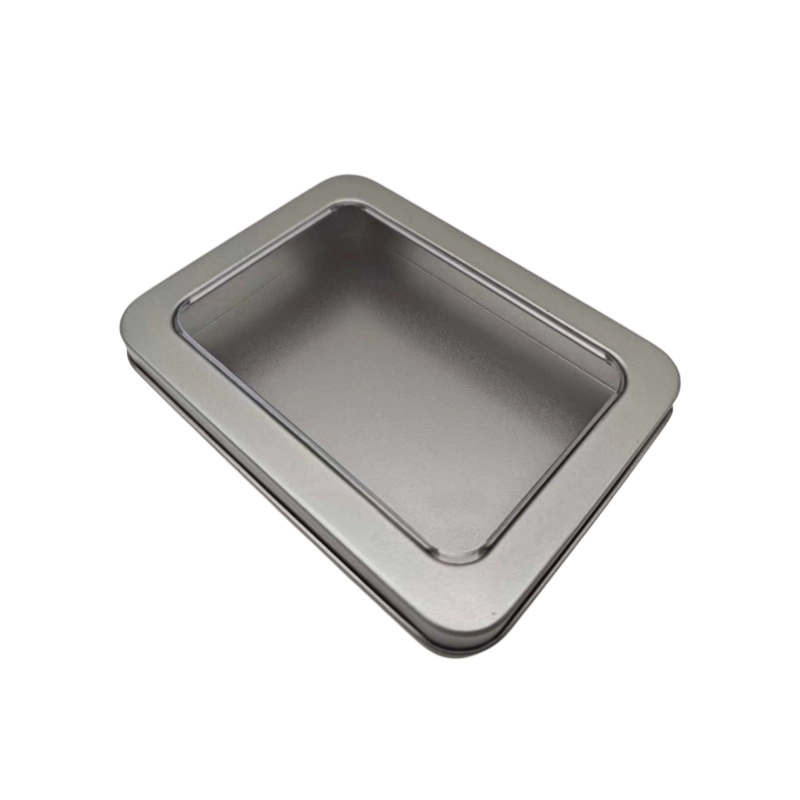
This massive behavioral change forces global product manufacturers to rethink their supply chains entirely. Folglich, companies must find circular packaging materials that protect both goods and our planet. Glücklicherweise, a classic material offers the perfect modern solution. A premium eco friendly tin box provides unmatched durability and beautiful aesthetics simultaneously.
This comprehensive industry analysis explains why metallic containers represent the absolute future of sustainable packaging.
The Hidden Truth About Modern Material Circularity
Many brands mistakenly believe that switching to paper packaging solves the global waste crisis completely. Jedoch, the underlying recycling data tells a drastically different story.
The Plastic and Paper Recycling Illusion
Plastic loses its physical material quality every single time you melt it down. After just two cycles, plastic degrades into unuseable sludge. Ähnlich, paper recycling requires massive amounts of fresh water and chemical bleaching agents. Außerdem, paper fibers shorten during processing, which limits their lifecycle significantly.
Metal Recycles Forever
Tin-plated steel operates on a completely closed-loop recycling system. Metal does not lose its structural integrity during the melting process. daher, a tin container can become a new car part or a fresh can tomorrow. This infinite circularity defines the true essence of zero waste packaging solutions.
Core Benefits of Choosing Tin Packaging
Why are luxury cosmetics, premium tea brands, and high-end confectionery makers switching back to metal? The business benefits extend far beyond basic environmental public relations.
Unmatched Physical Product Protection
Food products and delicate cosmetics spoil quickly when exposed to sunlight, ambient moisture, and oxygen. Cardboard boxes absorb dampness from humid shipping containers, which destroys the product inside. Umgekehrt, an eco friendly tin box creates an absolute barrier against external elements. This superior shielding extends product shelf-life naturally without requiring synthetic chemical preservatives.
Elevating Premium Brand Value
First impressions dictate consumer purchasing decisions at retail locations. Paper pouches look wrinkled and cheap after shipping. In contrast, metal packaging conveys immediate luxury and high financial value. Beautifully embossed metallic surfaces catch store lighting, drawing consumer eyes directly to your product line. You can explore these visual retail merchandising strategies further by reading our guide to Maximizing Shelf Presence with Metallic Textures.
Comparing Popular Packaging Materials
Selecting the correct retail packaging requires evaluating multiple environmental and commercial metrics. The table below outlines how metal compares to traditional single-use packaging alternatives.
| Sustainability Metric | Single-Use Plastics | Standard Cardboard / Paper | Premium Tin-Plated Steel |
| Infinite Recyclability | NEIN (Degrades rapidly) | NEIN (Fibers break down) | Ja (100% infinitely recyclable) |
| Consumer Reuse Rate | Extremely Low | Niedrig (Gets thrown away quickly) | Outstanding (Kept for years) |
| Atmospheric Barrier | Arm (Permeable to gases) | Very Poor | Maximal (Blocks light and air) |
| Supply Chain Durability | Mäßig | Niedrig (Crushes easily) | Exceptional (Resists heavy impacts) |
| Long-Term Brand ROI | Niedrig | Niedrig | Hoch (Acts as a permanent ad) |
The Power of the “Upcycling” Economy
The greatest strength of tin packaging involves what happens after the product inside disappears. Consumers rarely throw high-quality metal tins into the trash bin.
Transforming Packaging into Permanent Household Items
Shoppers routinely repurpose attractive containers in their daily lives. They turn empty tea tins into spice holders, sewing kits, or desk organizers. Folglich, your brand logo remains visible inside the consumer’s home for decades. This continuous brand exposure provides immense marketing value without any additional advertising spend.
Eliminating the Marine Microplastic Crisis
Unlike plastics, discarded metal does not break down into toxic microparticles. If a tin box accidentally ends up in nature, it oxidizes over time. It slowly turns back into natural iron oxide minerals, leaving zero chemical footprint behind. daher, adopting tin metal packaging actively protects global marine ecosystems from permanent pollution. Learn more about these eco-system dynamics by reviewing our checklist on Reducing Industrial Marine Waste Footprints.
Essential Checklist for Sustainable Tin Design
Switching to metal requires careful attention to specific design choices. You must optimize your packaging shapes to minimize environmental impacts during shipping.
-
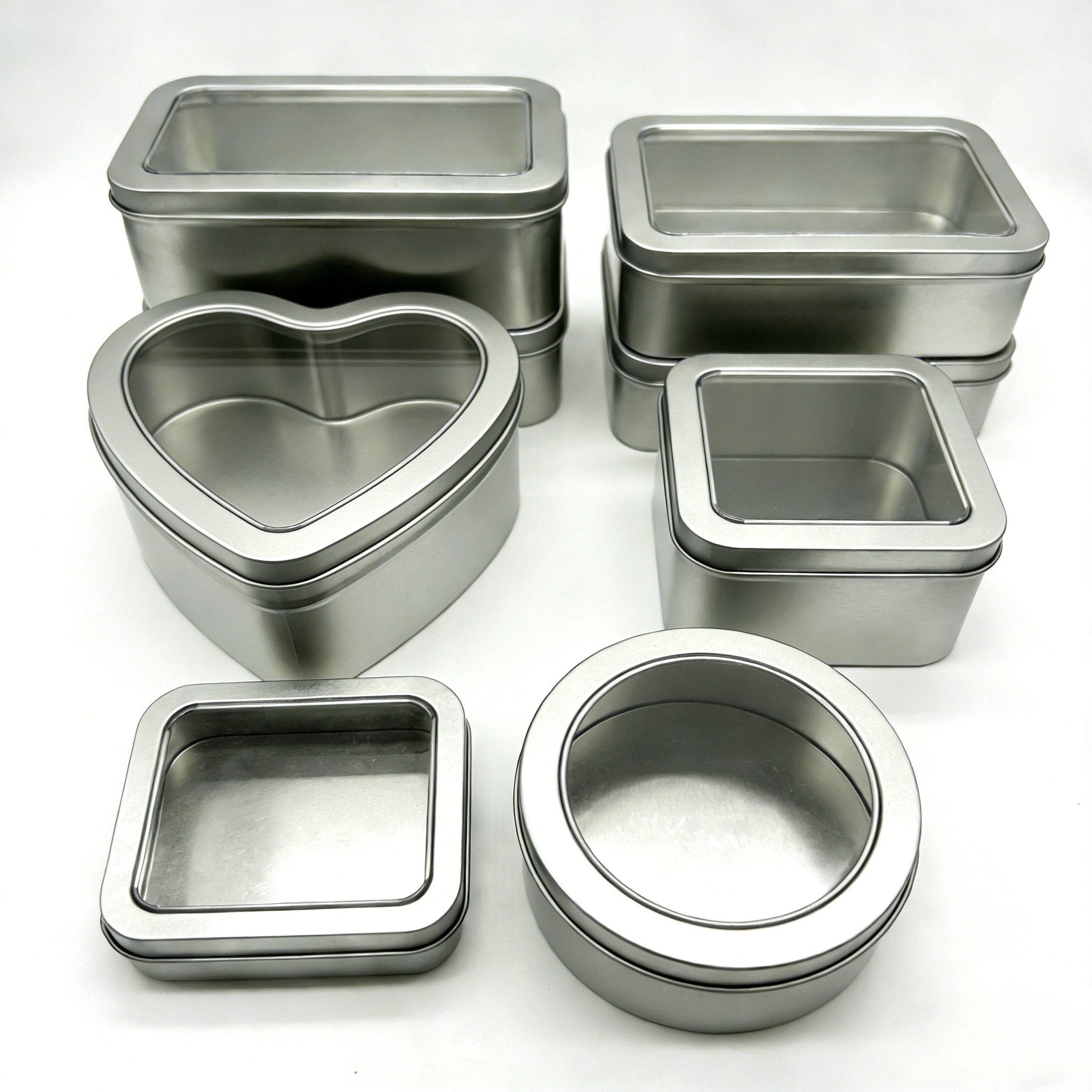
Choose Flat-Stacking Geometries: Design tins that nest together tightly to minimize empty shipping space.
-
Specify Non-Toxic Soya Inks: Utilize food-safe, vegetable-based inks for all exterior graphic printing.
-
Eliminate Plastic Interior Trays: Replace plastic mold inserts with molded pulp or custom paperboard dividers.
-
Select Seamless Lids: Opt for friction-fit lids to eliminate the need for synthetic rubber sealing rings.
Overcoming the Initial Cost Barrier
Some procurement managers hesitate when looking at the initial unit price of metal containers. They often focus solely on the upfront manufacturing cost per piece.
Factoring in Reduced Shipping Damage
Fragile paper packaging leads to high product damage rates during long international transits. Broken items result in costly customer refunds and wasted inventory. Because steel containers resist heavy crushing forces, they reduce shipping loss metrics to nearly zero. This savings directly offsets the higher initial cost of the raw metal.
Attracting the Eco-Conscious Demographic
Modern consumers explicitly state they will pay a premium for verified sustainable products. daher, utilizing reusable metal containers allows you to position your product line at a higher price point. This premium pricing structure boosts your overall profit margins significantly over time.
Sourcing a Reliable Packaging Partner
Transitioning your product line requires finding an experienced metal packaging manufacturer. Avoid suppliers who utilize heavy chemical coatings that hinder the recycling process. Stattdessen, look for partners who source their raw sheets from verified sustainable steel mills. Your factory partner should also possess international food-safety certifications like ISO 22000. These strict standards ensure your custom tins remain completely safe for global consumer distribution.
Abschluss
The global push toward environmental sustainability is not a temporary marketing trend. It represents a permanent shift in international consumer consciousness. Single-use plastics are quickly becoming obsolete across all major retail sectors.
Letztlich, choosing an eco friendly tin box protects your product, thrills your eco-conscious customers, and establishes your brand as a true sustainability leader. Do you need assistance designing the perfect custom metal container for your upcoming eco-friendly product launch? Contact our structural packaging design team today to request a physical sample prototype.
