

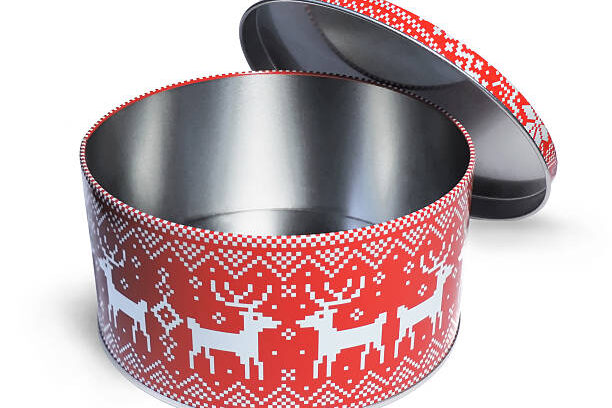
Global consumer brands maximize their operational supply chain resilience when they adopt infinitely recyclable, infinitely durable product shielding systems. Ultimately, modern custom tinplate manufacturing completely eliminates the high material waste rates associated with traditional single-use retail plastic components.
By partnering with elite tin containers manufacturers, cosmetic, confectionery, and tea enterprises instantly secure robust, puncture-resistant product housing. This premium structural defense allows luxury product exporters to protect sensitive goods throughout turbulent international shipping journeys.
Now, let us trace backwards to examine exactly how advanced steel metallurgy secures your corporate environmental compliance goals.
Case Study: Rebranding a Luxury Organic Tea Line Safely
To appreciate the immense power of metal packaging design, we should analyze a real brand turnaround from last spring. The following case study highlights how sustainable metal packaging solutions change market positioning metrics in real-time.
Overcoming Heavy Transit Damage in Organic Supply Chains
Marcus Sterling, the procurement director for an elite loose-leaf tea brand in Oregon, faced a costly business crisis. His company’s delicate organic tea leaves arrived at premium European retail shops inside dented, moisture-ruined paper craft canisters.
Relying on standard paper composites or flimsy plastics caused rapid product oxidation, destroying the premium tea aroma completely. Consequently, Marcus shifted his entire winter packaging budget away from traditional paperboard tubes entirely.
Driving Customer Retention via Premium Structural Security
By collaborating with a dedicated commercial factory, his team deployed food-grade custom food grade tinplate boxes across three main product lines. These airtight, double-sealed metal canisters blocked light penetration and moisture infiltration flawlessly during sea freight transit.
The structural steel walls eliminated crushing defects, ensuring every tea tin arrived on retail shelves in pristine condition. Because he implemented this durable transition, Marcus successfully boosted overseas wholesale orders by forty percent within two quarters.
The luxury tea brand captured higher holiday retail sales immediately, preserving its market reputation and reducing product waste expenses.

The Advanced Chemistry of Food-Grade Tinplate Metallurgy
Standard unprotected sheet steel oxidizes rapidly when exposed to ambient atmospheric moisture, creating destructive rust patches on consumer goods. Let us explore the specialized material sciences that allow modern metal containers to remain chemically inert.
Electroplating Raw Steel Sheets with Pure Protective Tin Layers
Modern fabrication facilities pull raw structural steel coils through a highly controlled, automated electrolytic acid bath line. This advanced chemical process bonds a microscopic layer of pure, non-toxic tin directly onto both steel surface faces.
This protective metallic shield blocks oxygen molecules from interacting with the strong internal iron core structures underneath. Therefore, your finished retail packaging remains completely rust-free, even when storing highly acidic or moist food contents.
Applying High-Performance Bisphenol-Free Internal Lacquer Barriers
To protect sensitive organic compounds from subtle flavor migration, advanced factories apply specialized internal liquid coatings. Modern processing lines spray food-safe, organic gold or clear organosol liners inside every single metal container body.
These high-grade lacquer coatings cure inside high-temperature industrial ovens, creating a completely impermeable chemical barrier shield. Consequently, you preserve your product’s exact taste profile, ensuring your consumer audience receives pristine quality consistently.
Learn how to audit these chemical liner formulations by checking out our Guide to Food Contact Material Compliance Audits.
Distinguishing Performance Features: Metal Tins vs. Commercial Polymers
Traditional petrochemical plastic packaging provides low upfront material costs but creates immense global microplastic environmental crises daily. This volatile carbon-heavy material fractures easily under heavy stacking loads, exposing retail products to ambient air leaks.
In contrast, premium steel containers bring complete structural rigidity and absolute oxygen blockage straight to the shipping pallet. These robust metal housings utilize precise friction-fit lid designs to secure freshness without requiring complex plastic tear strips.
Furthermore, metal containers operate efficiently across diverse extreme temperature ranges, including hot tropical shipping containers. This thermal resilience ensures beautiful branding survival whether your cargo travels to frozen northern regions or humid equatorial ports.

The Closed-Loop Lifecycle of Industrial Tinplate Material Assets
Modern environmental regulations require manufacturing enterprises to account for the total lifecycle impact of their retail packaging choices. Let us analyze how magnetic steel separation systems make tinplate the most sustainable material asset on earth.
Capitalizing on Magnetic Municipal Recycling Separation Paths
Sifting through mixed municipal waste streams requires immense electrical sorting energy when handling complex multi-layer plastics or glass. Metal packaging eliminates this expensive sorting operational bottleneck completely via simple, high-powered industrial electromagnetic conveyor systems.
Giant magnets lift abandoned wholesale decorative steel tins out of mixed waste streams rapidly and automatically. This efficient sorting makes metal recycling highly profitable for local municipal waste management centers across the globe.
Reducing Global Carbon Outputs via Infinite Metal Remelting
Melting down post-consumer steel scrap requires sixty percent less thermal energy than processing raw iron ore materials. Furthermore, steel retains its exact atomic crystalline structure perfectly, no matter how many times you melt it down.
Choosing to deploy eco friendly product packaging design concepts cuts your brand’s total scope three carbon emissions. This proactive carbon reduction aligns your corporate supply chain perfectly with strict new international environmental import laws. Discover more about tracking these carbon metrics by reviewing our Scope Three Carbon Accounting Framework for Consumer Brands.
Sourcing Commercial Metal Hardware: A Procurement Director’s Checklist
Bulk packaging procurement managers must look far past basic piece-rate pricing when buying industrial tinplate inventories. Avoid purchasing from unverified trading brokers who do not control their own raw material sourcing lines directly.
-
Verify the Tin Coating Weight Thickness: Prioritize factories offering verified E2.8/2.8 premium tin coating densities.
-
Inspect the Seaming Assembly Style: Select advanced three-piece welded bodies or elegant seamless drawn metal tins.
-
Demand Independent Food-Grade Testing Sheets: Ensure your supplier provides full FDA and LFGB compliance certificates.
-
Confirm Advanced Tooling Customization Capabilities: Choose partners capable of engineering custom embossing details directly on lids.

Securing Brand Loyalty and Supply Chain Stability with Tinplate
Achieving long-term global brand prominence requires discarding flimsy, disposable single-use plastic packaging options across your product lines. Your expensive consumer retail goods only look as premium as the external structural packaging protecting them.
Ultimately, investing in premium assets from elite tin containers manufacturers safeguards your manufacturing profits from costly shipping damage. It delivers the relentless transit strength, infinite recycling capability, and high-end aesthetic appeal that modern global enterprises demand.
Do you need technical assistance matching specific tin dimensions to your upcoming automated filling line expansion? Contact our packaging application engineering support team today for a complimentary production workflow configuration consultation.
